
How to Check a Used Car for Recalls Before You Buy
A step-by-step guide to checking any used car for open safety recalls, complaint patterns, and crash ratings before you buy.
May 24, 2026
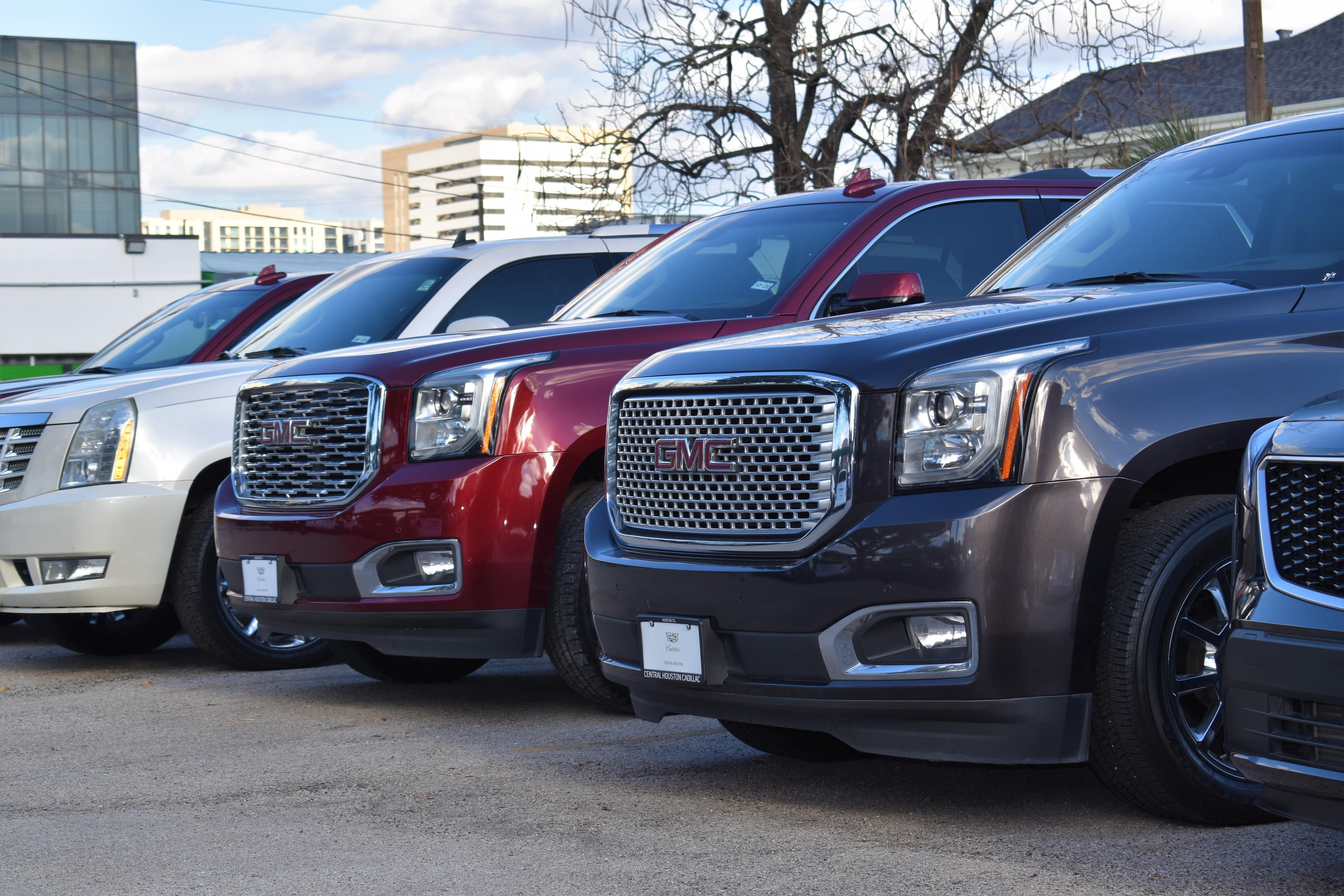
A used car can carry an open safety recall that the previous owner never had fixed, and nothing about the car's appearance will tell you. Recalls follow the vehicle, not the owner, so an unrepaired defect quietly transfers to you at the moment of sale. The good news is that checking is free, takes a few minutes, and is one of the few pre-purchase steps that gives you a definitive answer rather than a guess. Here is how to do it properly.
Why a used car's recall status matters
When a manufacturer issues a safety recall, it is required to repair the defect at no charge, regardless of who owns the vehicle or how many times it has changed hands. That protection is valuable, but it only helps if the repair actually gets done. Recalls are completed at dealerships, and someone has to bring the car in. With used vehicles, that step is frequently skipped.
The reason is simple: manufacturers are only required to notify the current registered owner. When a car is sold privately, there is often a lag before ownership records update, and recall notices can go to the wrong address or never arrive at all. A 2014 owner who sold the car in 2018 may have received a recall letter in 2020 that the 2018 buyer never saw. The defect stays unrepaired, and the next buyer inherits it without knowing.
This is why you should never rely on a seller's word, a clean appearance, or the absence of a mailed notice. Check the recall status yourself before money changes hands.
The single most reliable check: the VIN
The most accurate way to check any used vehicle is by its 17-character Vehicle Identification Number. A VIN lookup is tied to that specific car, which means it can surface recalls that a broader make-model-year search might miss, including recalls that apply only to certain production runs or build dates within a model year.
You can find the VIN in several places on the vehicle:
On the dashboard, visible through the windshield on the driver's side
On a sticker inside the driver's door jamb
On the vehicle's registration and insurance documents
On the title
Ask the seller for the VIN before you even view the car. A reluctance to share it is itself a useful signal. Once you have it, run it through a recall lookup. A VIN-based check will tell you whether there are open recalls specific to that vehicle and, in many cases, whether they have been completed.
What a make, model, and year search adds
A VIN check tells you about one specific car. Searching by make, model, and year tells you about the vehicle's broader history, and that context is just as useful when you are deciding whether to buy.
Browsing every recall issued for a given year of a model shows you the pattern of problems that vehicle has had over its life. A model year with two minor labeling recalls is a very different proposition from one with multiple engine, fuel, or airbag recalls. Looking at the full recall history helps you understand what you are getting into and what to ask the seller about.
It is also worth looking at the years immediately before and after the one you are considering. Manufacturers often carry the same components across several model years, so a defect that triggered a recall on a 2015 model may point to a weakness worth checking on a 2016 of the same vehicle even if no recall was issued for that exact year.
Recalls are only part of the picture
A clean recall record is reassuring, but it does not mean a vehicle is problem-free. Recalls cover safety defects that a manufacturer was required to address. They do not capture every issue owners experience.
This is where owner complaints come in. Drivers file complaints with safety regulators about problems that never rise to the level of a formal recall: transmissions that shudder, electronics that fail, engines that consume oil. A vehicle can have zero recalls and still have hundreds of owner complaints about a chronic problem. Reviewing what owners report about a specific model year gives you a fuller picture of its real-world reliability than recalls alone, and it can flag patterns worth raising with a mechanic during a pre-purchase inspection.
Crash test ratings round out the safety picture from a different angle. Recalls and complaints tell you whether a vehicle is prone to defects; crash test ratings tell you how well it protects occupants when a collision happens. The two are independent, and both are worth knowing before you commit.
A simple pre-purchase checklist
Before buying any used vehicle, work through these steps:
Get the VIN from the seller and run a VIN-specific recall lookup
Review the full recall history for that make, model, and year
Check the model years just before and after for related component issues
Look at owner complaint patterns for the model year to spot chronic problems
Note the vehicle's crash test ratings
If any open recalls exist, confirm with a dealer whether they have been completed, and factor unrepaired recalls into your decision and your offer
Schedule an independent pre-purchase inspection, using anything you found as a list of things for the mechanic to check
What to do if you find an open recall
Finding an open recall is not necessarily a reason to walk away. Because the repair is free, an open recall can simply be a task to complete after purchase, or a point of negotiation with the seller. What matters is knowing about it before you buy rather than discovering it later.
Contact a franchised dealer for the brand, give them the VIN, and ask whether the recall work has been performed and whether the parts are available. Some recalls are resolved in under an hour; others, particularly those involving back-ordered parts or "Do Not Drive" warnings, can take a vehicle off the road for weeks. That difference can reasonably affect what you are willing to pay, or whether the timing works for you at all.
Above all, take any "Do Not Drive" or "Park Outside" recall seriously. These are reserved for the most severe defects, such as fire risk or airbag inflator hazards, and a vehicle under one of these orders should not be driven until the repair is complete.
The bottom line
Checking a used car for recalls is one of the cheapest and most informative steps you can take before a purchase, and almost no private buyers do it. A few minutes with the VIN, the recall history, owner complaint patterns, and crash ratings will tell you more about a vehicle's safety record than a test drive ever could. Do it before you hand over any money, and you will buy with a clear picture of what you are actually getting.
See if your vehicle is affected.