
When the Safety System Is the Hazard: Hyundai's Automatic Braking Recall (26V316000)
Hyundai recalled 421,000 Tucson and Santa Cruz vehicles because their automatic emergency braking can activate without cause. What the recall covers and what owners should do.
May 24, 2026
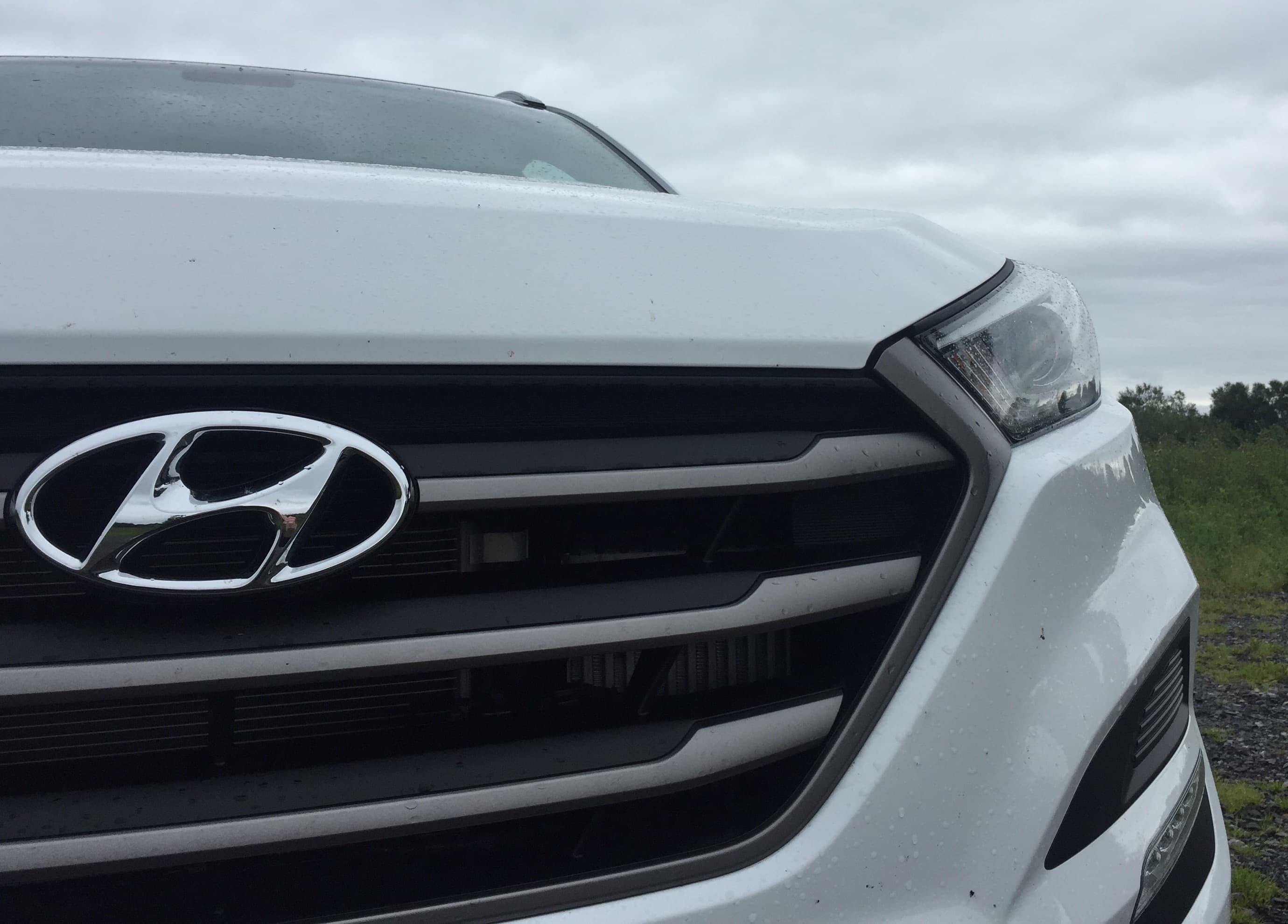
Automatic emergency braking exists to stop a crash the driver cannot. It watches the road ahead and slams on the brakes when a collision looks imminent. So there is something unsettling about a recall in which that exact system becomes the danger. In May 2026, Hyundai recalled more than 421,000 vehicles because their forward collision avoidance system can brake when nothing is there.
What the recall covers
The recall, NHTSA campaign number 26V316000, affects certain 2025 and 2026 Hyundai vehicles across several models:
Hyundai Tucson Hybrid
Hyundai Tucson Plug-In Hybrid (PHEV)
Hyundai Santa Cruz
According to the filing, software in the front cameras can cause the forward collision avoidance system to activate prematurely and unexpectedly apply the brakes. In other words, the system can decide a crash is about to happen when it is not, and brake hard in normal driving.
Why unexpected braking is dangerous
It sounds backward that a braking system could increase crash risk. The danger is not the braking itself but the surprise and the context. A vehicle that brakes suddenly and without reason on a highway, in a merge, or with traffic close behind creates exactly the kind of situation rear-end collisions are made of. The driver behind has no warning, because there is no hazard for them to see either. The car simply stops when it should be moving.
This failure mode has a name in the industry: phantom braking. It is a recognized challenge for camera-based driver-assistance systems, which interpret the road through software that can occasionally misread shadows, overpasses, oncoming vehicles, or other visual cues as obstacles. When the interpretation is wrong, the intervention is wrong, and a system designed to add a safety margin removes one instead.
How serious is it
NHTSA's filing frames the consequence plainly: unexpected braking increases the risk of a crash. With more than 421,000 vehicles involved, this is a large recall, and the affected models are popular, high-volume vehicles. The scale alone makes it one of the more significant safety actions of the year so far.
It also fits a broader pattern worth noting. As more of a vehicle's safety behavior is governed by software and sensors rather than mechanical parts, the software itself becomes a source of defects. A decade ago a braking recall usually meant a failing hydraulic component. Increasingly, it means a line of code interpreting a camera feed incorrectly. The remedy here reflects that shift.
The fix
The repair is a software update to the front camera system, performed by dealers free of charge. Because it is a software fix rather than a mechanical replacement, it should be relatively quick once owners bring the vehicle in.
Hyundai expects to mail owner notification letters on July 17, 2026. The VINs involved in this recall became searchable on NHTSA's database on May 20, 2026, which means owners can check their specific vehicle now rather than waiting for a letter. Owners with questions can contact Hyundai customer service at 1-855-371-9460 and reference Hyundai's recall number 302.
What owners should do
If you own one of the affected 2025 or 2026 Tucson, Tucson Hybrid, Tucson PHEV, or Santa Cruz vehicles, the steps are straightforward:
Check your VIN to confirm whether your specific vehicle is included in the recall
Watch for the notification letter, expected in mid-July, or contact a Hyundai dealer sooner to schedule the software update
Until the update is performed, stay alert to the possibility of unexpected braking, particularly in highway driving, and maintain awareness of traffic behind you
Because the defect involves a driver-assistance system rather than a fundamental loss of braking or steering, the recall does not carry a "Do Not Drive" order. The vehicle remains drivable, but the update is worth scheduling promptly given how and where phantom braking tends to occur.
The bottom line
This recall is a useful reminder that a feature marketed as a safety system is still a system, and systems can fail in ways that work against their purpose. Automatic emergency braking prevents far more crashes than it causes, and the fix here is simple. But if you drive an affected Hyundai, it is worth checking your VIN and getting the software updated rather than assuming a safety feature is always working in your favor.
See if your vehicle is affected.
Related Safety Alerts
Hyundai Motor America (Hyundai) is recalling certain 2025-2026 Santa Cruz, Tucson, Tucson Hybrid, and Tucson Plug-In Hybrid Electric (PHEV) vehicles. Software in the front cameras may cause the forward collision avoidance system to activate prematurely and unexpectedly apply the brakes.
Campaign 26V3160002025–2026 HYUNDAI TUCSONFORWARD COLLISION AVOIDANCE: AUTOMATIC EMERGENCY BRAKINGHyundai Motor America (Hyundai) is recalling certain 2025-2026 Santa Cruz, Tucson, Tucson Hybrid, and Tucson Plug-In Hybrid Electric (PHEV) vehicles. Software in the front cameras may cause the forward collision avoidance system to activate prematurely and unexpectedly apply the brakes.
Campaign 26V3160002025–2026 HYUNDAI TUCSON PLUG-INFORWARD COLLISION AVOIDANCE: AUTOMATIC EMERGENCY BRAKINGHyundai Motor America (Hyundai) is recalling certain 2025-2026 Santa Cruz, Tucson, Tucson Hybrid, and Tucson Plug-In Hybrid Electric (PHEV) vehicles. Software in the front cameras may cause the forward collision avoidance system to activate prematurely and unexpectedly apply the brakes.
Campaign 26V316000